
Staying Active When Elderly: What That Looks Like in Real Life
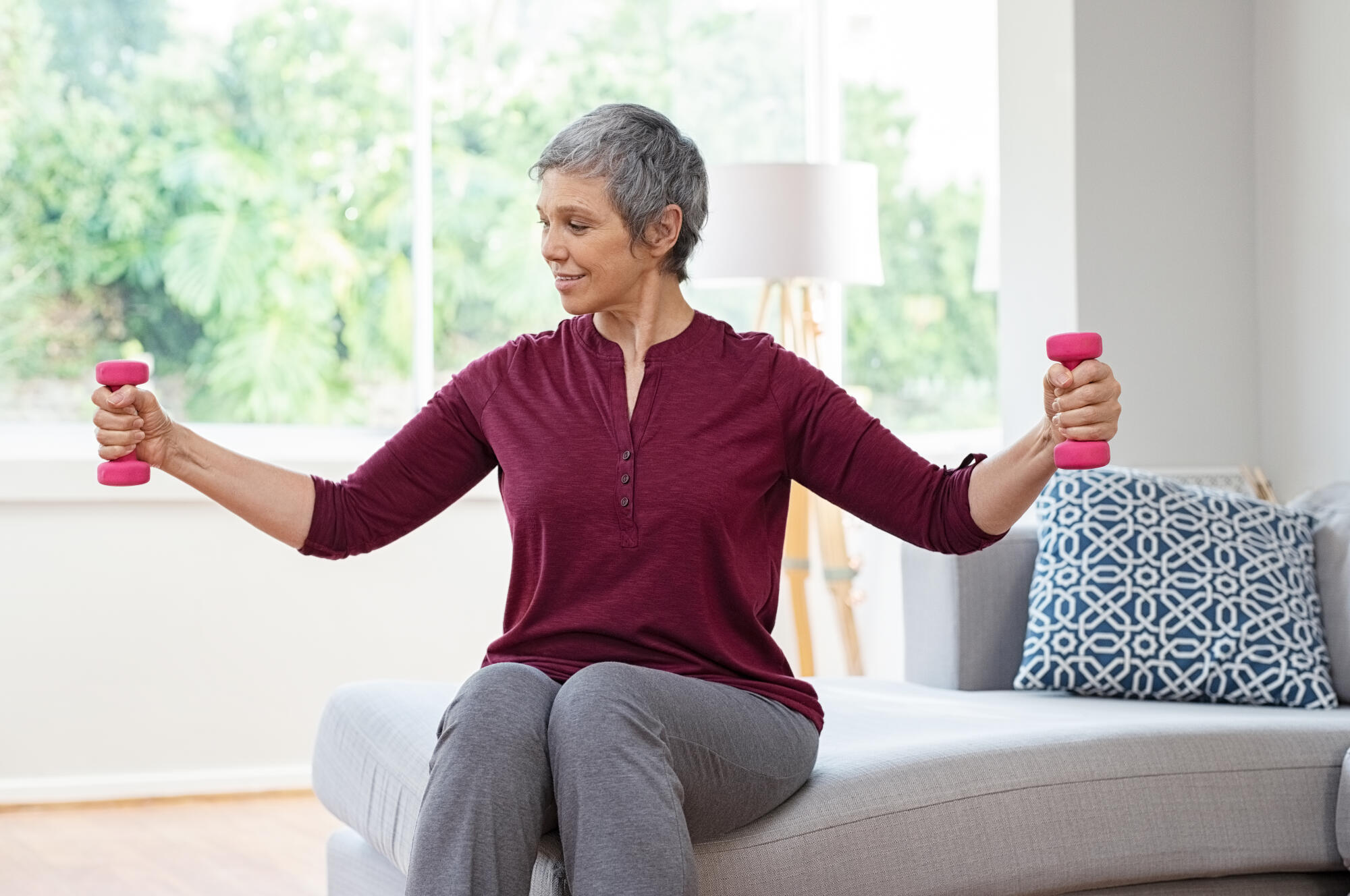
Staying active when elderly isn't about running marathons or lifting weights. It's about preserving the freedom to do what matters most: walking to the mailbox, dancing with your grandkids, or simply getting out of bed without pain.
Too many seniors are told to "take it easy," when what they really need is safe, supported movement woven into daily life. In fact, nearly 1 in 3 adults over 50 are physically inactive, with rates even higher among those managing chronic conditions, highlighting the urgent need for accessible wellness programs.
At Manor at Steeplechase Senior Living, active aging in Franklin is more than a philosophy; it's a practice. Through personalized senior fitness programs and mobility support, residents experience what daily movement for seniors looks like in real life: joyful, social, and tailored to their abilities.
In this article, we'll explore why staying active matters, what kinds of movement work best, and how communities like Manor at Steeplechase make it possible, even for those with limited mobility.
Why Is It Important for Seniors to Stay Active?
As we age, our bodies naturally lose muscle, bone density, flexibility, and balance, and even basic tasks can become difficult. Here's what inactivity can lead to:
- Loss of muscle and strength: Without movement, muscles quickly weaken, making life harder.
- Higher fall risk: As balance and coordination decline, even simple movements become risky.
- Chronic disease progression: Inactivity increases the risk and severity of conditions like heart disease, diabetes, and osteoporosis.
- Cognitive decline: Physical inactivity is linked to reduced brain function and increased risk of dementia.
- Mental health struggles: Isolation and depression are more common in inactive seniors, especially when movement is tied to social engagement.
- Reduced independence: Mobility problems, like difficulty rising from a chair or walking steadily, can increase the need for regular care or supervision.
What Is the Best Exercise Program for Seniors?
There's no one-size-fits-all approach to wellness in retirement. The most effective programs typically combine different types of movement and engagement. Below are the key components that make senior fitness programs both safe and successful:
Aerobic Exercises
Activities that raise the heart rate and improve endurance, such as walking, swimming, cycling, or dancing. Even light cardio helps keep the heart and lungs strong, supports a healthy weight, and boosts energy.
Strength Training
Exercises using resistance bands, light weights, or body weight help maintain muscle mass and bone density. Stronger muscles improve stability, balance, and the capacity to manage activities of daily living (ADLs) independently.
Balance and Stability Work
Balance exercises, like heel-to-toe walking or standing on one foot while holding a chair, help prevent falls. Programs often include tai chi or gentle balance drills to build coordination and confidence.
Flexibility and Stretching
Stretching keeps joints flexible and muscles relaxed. This reduces stiffness and improves range of motion. Gentle yoga, chair stretches, or daily stretching after activity can support mobility.
Functional Movement
This focuses on motions used in daily life. It includes:
- Sitting: Safely lowering into and rising from chairs or beds.
- Standing: Building leg strength and balance for upright posture.
- Reaching: Extending arms to grab items from shelves or counters.
- Bending: Safely leaning or crouching to pick up objects or tie shoes.
Practicing these movements helps seniors stay capable in real-world situations.
Social Engagement
Group classes or partner activities make exercise more enjoyable and consistent. Social motivation reduces isolation and helps seniors stick with their fitness routines.
Personalization and Safety
Each program should be tailored to a person's health status, fitness level, and mobility needs. For those with limited mobility, chair-based or seated exercises can still build strength and cardio health. Water-based workouts are gentle on joints and allow for full-body movement with less impact.
Wear proper shoes, drink enough water, warm up, cool down, and progress slowly to avoid injury. Check in with a physician before starting a fitness program, especially if you have underlying conditions.
Mobility Support in TN: Manor at Steeplechase
At Manor at Steeplechase Independent Living, we support every dimension of resident well-being:
- Physical
- Emotional
- Intellectual
- Spiritual
- Social
From fitness classes and educational workshops to spiritual gatherings and wellness check-ins, residents have meaningful opportunities to stay active, connected, and engaged.
With a full calendar of events, classes, and excursions, relaxation might have to wait because there's always an adventure around the corner. We've lined up activities like:
- Chair exercises
- Morning stretch and restore
- Tia Chi and more
Frequently Asked Questions
How Much Exercise Does a Senior Need Each Day?
Experts generally recommend about 150 minutes per week of moderate-intensity activity or 75 minutes of higher-intensity work, paired with muscle-strengthening on two or more days.
For many, that means 20 to 30 minutes daily of movement broken into manageable sessions. Consistency matters more than intensity. Even 10-minute walks or light stretching sessions contribute to overall wellness.
I'm New to Exercise, Can It Still Make a Difference?
Absolutely. It is never too late to start. Seniors who begin movement later in life still gain muscle tone, bone strength, balance, mental health, and lower risks of chronic disease.
How Can Families Support Active Aging?
Supporting active aging starts with small, consistent actions that build confidence and connection. Families can:
- Encourage participation in community programs.
- Join seniors for walks or gentle workouts.
- Celebrate small movement milestones.
- Choose senior living communities that prioritize wellness in retirement.
How Can I Thrive in Retirement?
Thriving in retirement means more than just having enough money saved. It's about creating a lifestyle that supports your overall physical and mental well-being. This includes:
- Staying physically active
- Keeping your mind engaged
- Building a routine
- Staying socially connected
- Managing your finances wisely
- Prioritizing health and nutrition
- Giving back or volunteering
- Embracing hobbies and passions
- Keeping a positive outlook
Staying Active When Elderly: The Bottom Line
Staying active when elderly is about preserving dignity, independence, and joy. Regular movement can improve physical health, mental clarity, and emotional resilience. Aging well starts with staying in motion.
Experience retirement the way it was meant to be at Manor at Steeplechase, where independence meets thoughtful support in a beautifully renovated, pet-friendly community. Enjoy chef-prepared meals, engaging social programs, and convenient access to Franklin's shopping, dining, and cultural attractions, all tailored to make everyday life easier and more enjoyable. Contact us today to schedule a tour and discover retirement on your terms.